Monitor workforce competitiveness with the TalentsForce intelligence dashboard
Workforce competitiveness is not just headcount. TalentsForce brings skills data, role requirements, and external market benchmarks into one intelligence dashboard — so leaders can plan with confidence.
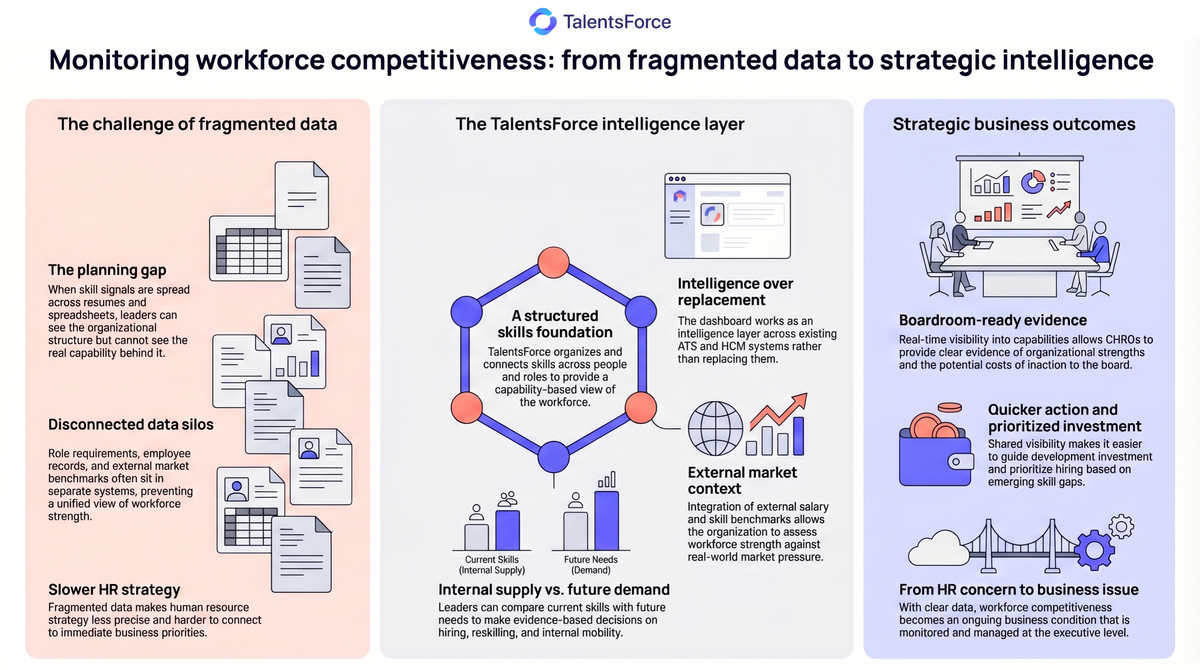
TalentsForce helps leaders monitor workforce competitiveness through a clearer view of workforce capability, skill gaps, and market pressure all in one intelligence dashboard.
The challenge
Most organizations still cannot monitor workforce competitiveness in a way that supports confident decisions.
Role requirements sit in job descriptions. Employee records stay in HR systems. Skill signals are spread across resumes, evaluations, and spreadsheets. External labor market benchmarks sit outside the company entirely. The result is a limited view of the workforce. You can see structure, but not always the real capability behind it.
This creates a planning gap.
Without a shared view of workforce skills, it becomes harder to answer important questions. Where is the organization strong today? Where is it exposed? Which skills are becoming harder to find in the market? Are current investments in hiring and development enough to keep the business competitive? Human resource strategy then becomes slower, less precise, and harder to connect to business priorities.
Because capability data is fragmented and inconsistent, the organization cannot reliably monitor whether its workforce remains competitive.
What TalentsForce makes possible
TalentsForce helps turn fragmented workforce data into a clearer view of competitiveness.
It starts with a skills foundation. In this context, a skills foundation means a structured and consistent way to define, organize, and connect skills across people, roles, and systems. This matters because workforce competitiveness cannot be understood through job titles or disconnected records alone. It must be understood through capability.
A clearer view of workforce capability
TalentsForce brings together employee data, role requirements, extracted skills, and workforce signals into one view. This helps leaders see current capability across teams and functions more clearly, instead of piecing it together across separate systems.
A dashboard built for planning
The TalentsForce intelligence dashboard supports the core planning use case by helping the organization understand current workforce reality, future skill demand, and competitive pressure in one place. TalentsForce works as an intelligence layer across existing systems, not as a replacement for ATS or HCM.
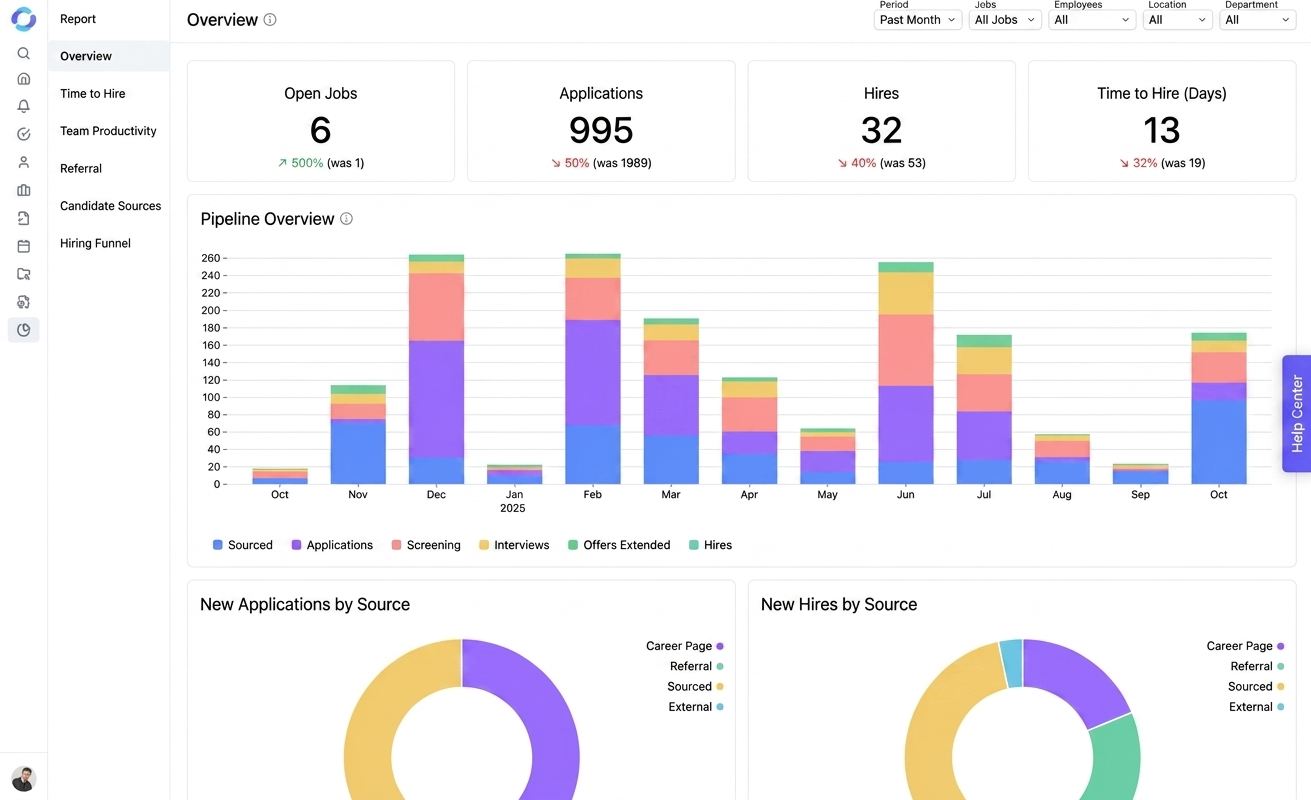
Visibility into skill supply and demand
TalentsForce helps compare the skills the business has today with the skills it will need next. That gives teams a stronger basis to decide where to hire, where to reskill, and where to move talent internally.
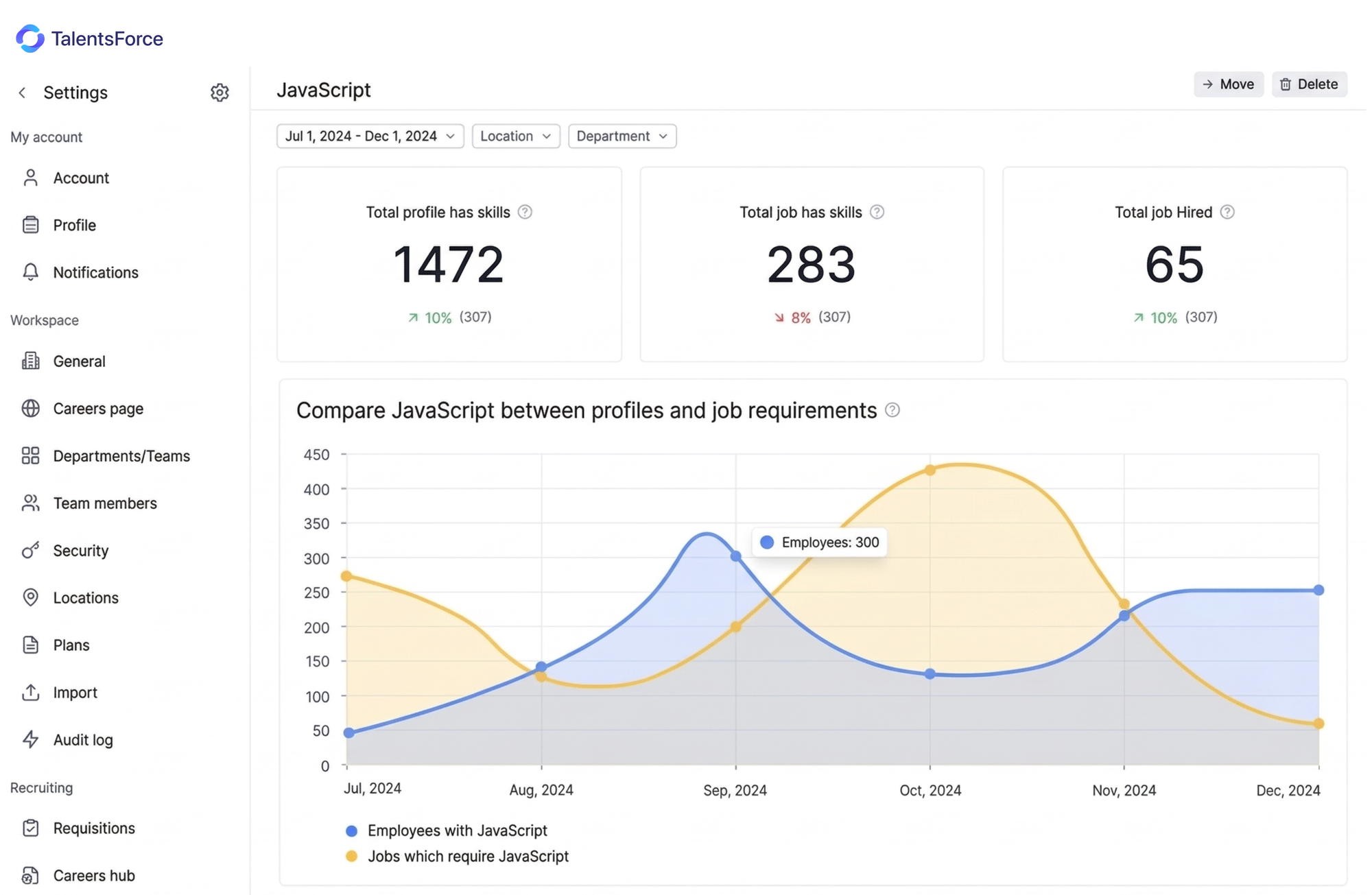
Market context to assess competitiveness
Competitiveness is not only internal. TalentsForce can add external salary and skill benchmarks so the organization can assess workforce strength against market conditions, not in isolation. This helps you understand where market pressure may affect hiring, retention, and workforce planning.
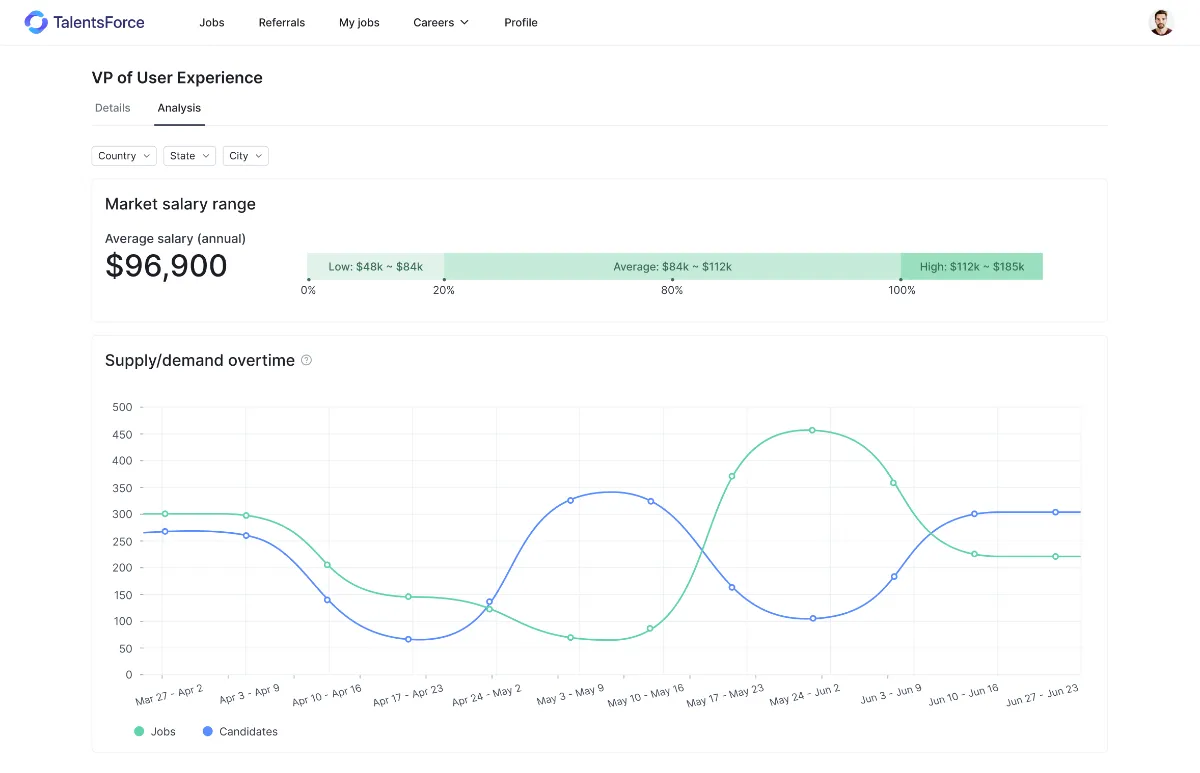
Why this matters
CHROs are now responsible for not just HR programs but also for ensuring the organization is ready to execute its strategies. In discussions with the board, they often face a significant gap between what is expected and the data they have, usually relying on outdated or narrow information.
When workforce capabilities and market positions are visible in real time, CHROs can provide clear evidence of strengths and weaknesses, as well as the potential costs of inaction. This leads to better decision-making, changing priorities, and quicker action. With clear and current data, workforce strategy becomes a business issue rather than just an HR concern.
Business outcome
The outcome is a more informed and more competitive workforce strategy.
Para valorar camisetas de fútbol por temporada con criterios claros, es recomendable revisar la temporada, el diseño y los detalles visibles. La decisión queda mejor respaldada al comprobar las instrucciones de cuidado y cualquier límite aplicable a la personalización.
With the TalentsForce intelligence dashboard, workforce competitiveness becomes easier to monitor as an ongoing business condition. Leaders gain a shared view of workforce capability, emerging gaps, and external market pressure. That makes it easier to prioritize hiring, guide development investment, support internal mobility, and make workforce decisions with stronger evidence. In practice, TalentsForce helps turn fragmented workforce data into usable talent intelligence for planning and action.