

Every recruiter knows the frustration: qualified candidates slip through the cracks while your ATS filters them out.
The problem isn't always the technology; it's how you configure and use it.
The impact of over-filtering
When your ATS removes qualified candidates, you lose more than just applicants. You extend time-to-hire, increase recruitment costs, and risk missing candidates who bring fresh perspectives or transferable skills your rigid filters can't recognize.
Five actions to reduce false rejections
1. Rethink keyword requirements
Many ATS platforms reject candidates based on missing keywords. Instead of requiring exact matches, focus on skills and outcomes. A candidate who "managed cross-functional teams" has leadership experience, even if they never used the phrase "project management."
Modern platforms use AI to understand context beyond keyword matching. This technology reads CVs more accurately and recognizes when candidates demonstrate required competencies through different terminology or experiences.
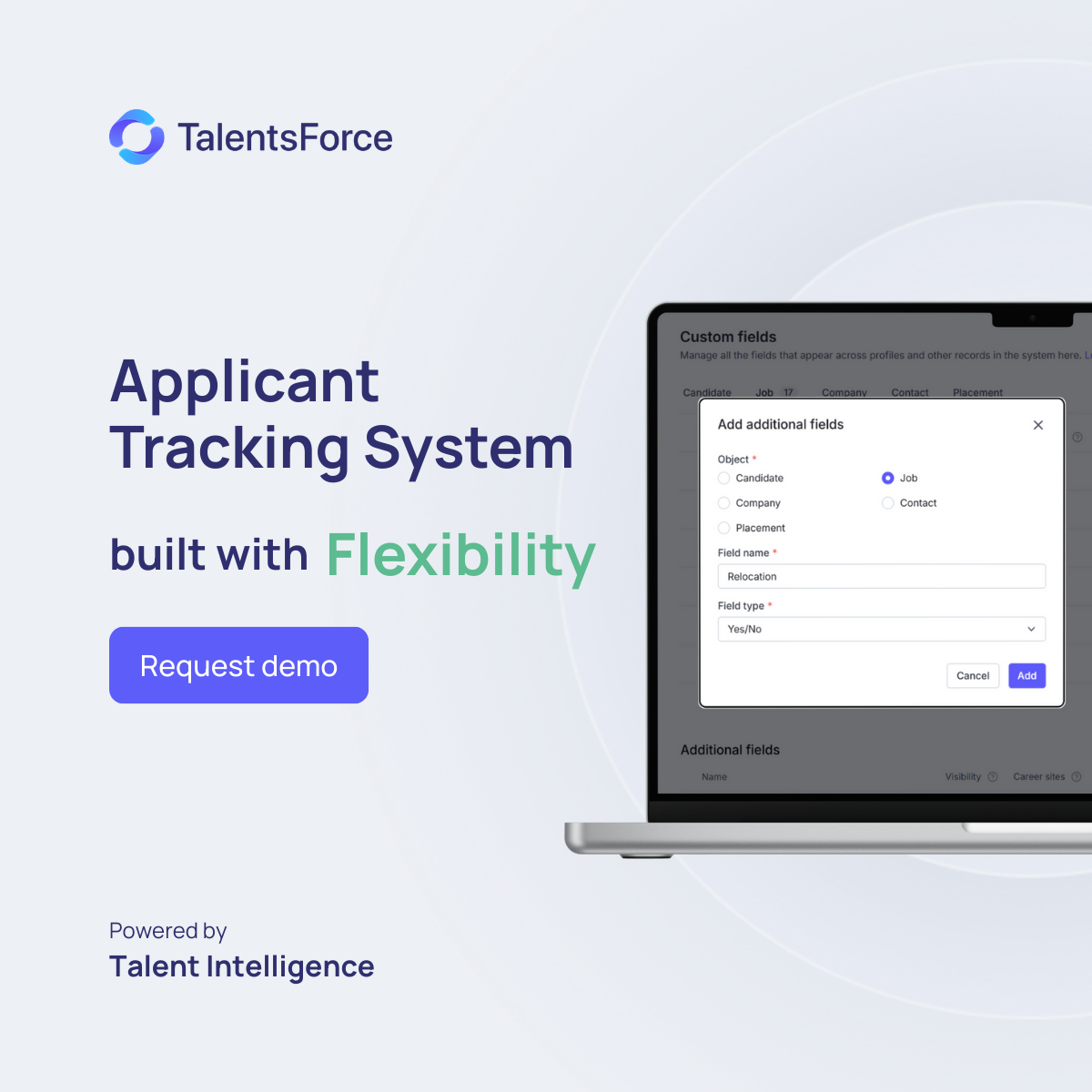
2. Customize fields to match real workflows
Generic application forms create unnecessary barriers. When you force candidates into standardized fields that don't reflect your actual hiring needs, you lose valuable information and potentially strong applicants who don't fit predetermined boxes.
Configure your system to capture what matters for your specific roles and company culture. This flexibility helps you evaluate candidates on relevant criteria rather than arbitrary data points.
3. Build talent pools for future opportunities
Not every qualified candidate fits your current openings. When you maintain an organized database of potential candidates, you create sustainable talent pipelines. These individuals remain accessible for future roles without restarting the entire sourcing process.
This approach reduces time-to-hire and keeps strong candidates engaged with your organization, even when timing doesn't align initially.
4. Standardize evaluation without losing nuance
Inconsistent assessment criteria lead to both false rejections and poor hires. Create structured evaluation frameworks that allow hiring teams to compare candidates fairly while still recognizing unique strengths.
Standardized interview processes and scorecards reduce bias and ensure you evaluate candidates on capabilities rather than gut feelings or surface-level resume formatting.
5. Track what your filters actually remove
Most recruiters never analyze which candidates their ATS rejects. Review filtered-out applications regularly. You might discover your system eliminates candidates with non-traditional backgrounds, career gaps, or industry transitions—individuals who could bring valuable diversity and fresh thinking to your team.
Use data and analytics to identify patterns in rejections. When you understand what your filters remove, you can adjust settings to reduce false negatives.
The bottom line
Your ATS should amplify human decision-making, not replace it. The goal isn't to eliminate filtering—it's to ensure your technology removes only candidates who genuinely lack required qualifications, not those who simply format resumes differently or describe their experience with varied terminology.
Configure your platform thoughtfully. Review your filters regularly. Stay focused on skills and outcomes rather than rigid requirements. When you combine smart technology with human judgment, you build a recruitment process that identifies top talent instead of accidentally excluding it.


