

1. The problem from interview questions drifts off-course between different interviews.
2. Interviewer mood dramatically affects how deeply they explore vs. how quickly they wrap up
3. Meta-analysis: structured interviews show 0.42 validity for predicting performance, higher than any other selection method
4. Consistency creates fairness, and fairness leads to better hires
Last week, a recruiter told me about interviewing two candidates for the same role on the same day.
The first interview happened at 10 AM when she was fresh. She asked follow-up questions, explored examples in depth, and spent 45 minutes really understanding the candidate's experience.
The second interview started at 4 PM.
She was behind on emails. Had a meeting in 20 minutes. Mentally checked out. She asked the core questions but didn't probe further. The interview lasted 25 minutes.
Same role. Same interviewer. Completely different experiences.
That's the consistency problem most organizations face. And it costs them great candidates.
Interview “drift” leading to inconsistency
Most interview problems don't come from having different interviewers with different styles.
They come from interviews that start with a plan but drift off-track as they unfold.
An interviewer asks about a technical project. The candidate mentions they worked remotely during COVID. Suddenly, the next ten minutes are about remote work preferences and home office setups.
Interesting. But not what you came to evaluate.
Or an interviewer gets interested in one particular story and spends the entire interview exploring that single example. Meanwhile, critical competencies for the role never get discussed.
Without structure, interviews follow the path of least resistance. They go wherever the conversation naturally flows.
That's fine for catching up with a friend. It's terrible for making hiring decisions.
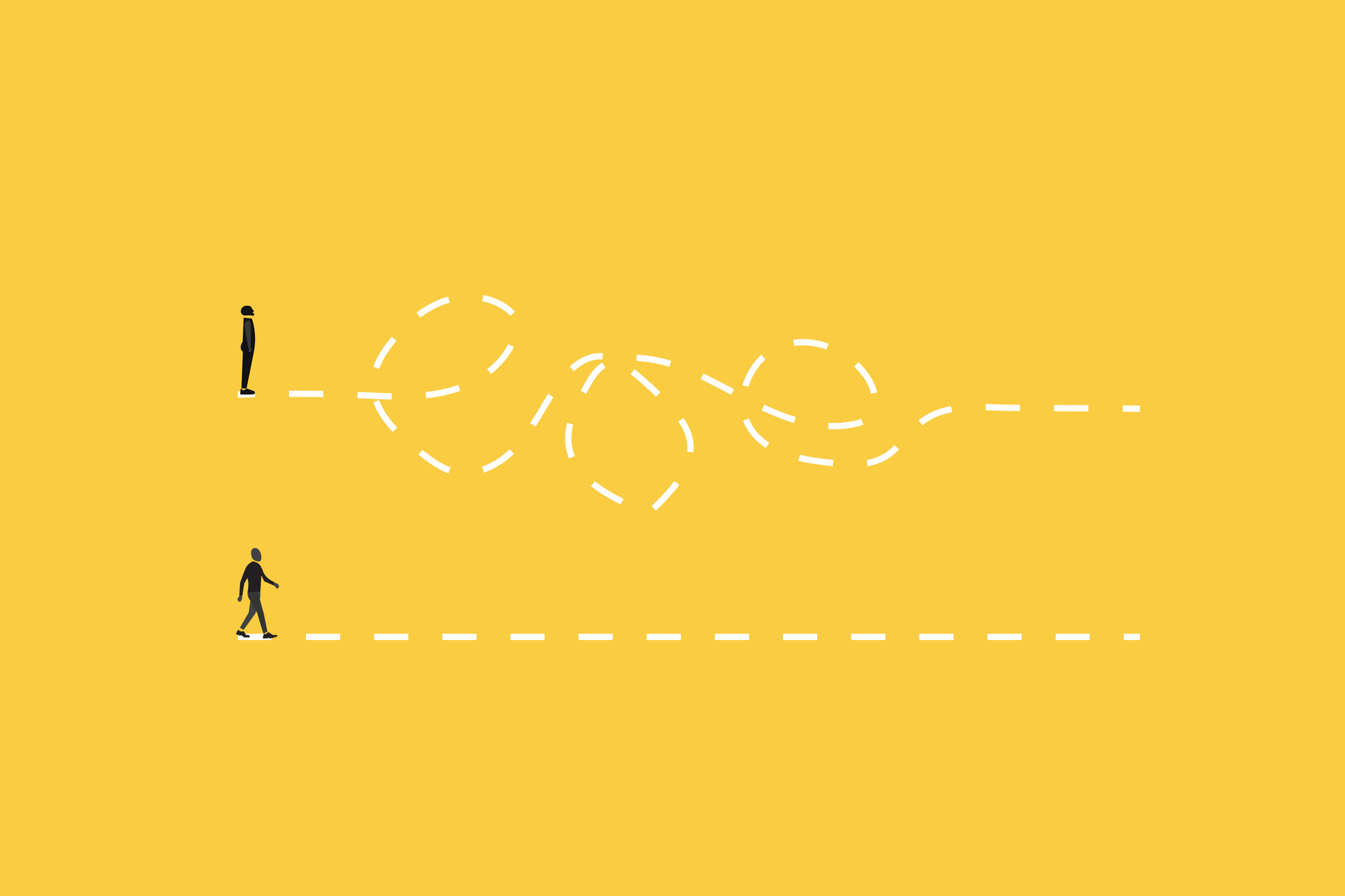
Without structure, interviews follow the path of least resistance. They go wherever the conversation naturally flows.
That's fine for catching up with a friend. It's terrible for making hiring decisions.
When mood becomes the hidden variable
Research shows structured interviews have a validity coefficient of 0.42 for predicting job performance.
That makes them the strongest predictor we have – better than cognitive ability tests, better than work experience, better than credentials.
But here's what happens when interviews aren't structured: the interviewer's state becomes a massive variable.
An interviewer in a good mood explores deeper. They ask "tell me more about that." They follow interesting threads. They give candidates space to fully explain their thinking. The candidate gets a thorough evaluation.
An interviewer who's stressed, tired, or distracted? They stick to surface-level questions. They don't probe inconsistencies. They wrap things up quickly. The candidate gets a superficial evaluation.
Both candidates get told "it was a 45-minute interview."
But one actually got 45 minutes of attention. The other got 15 minutes of engagement and 30 minutes of going through the motions.
The candidate who interviewed when the interviewer had energy looks stronger – not because they were stronger, but because they got a better interview.
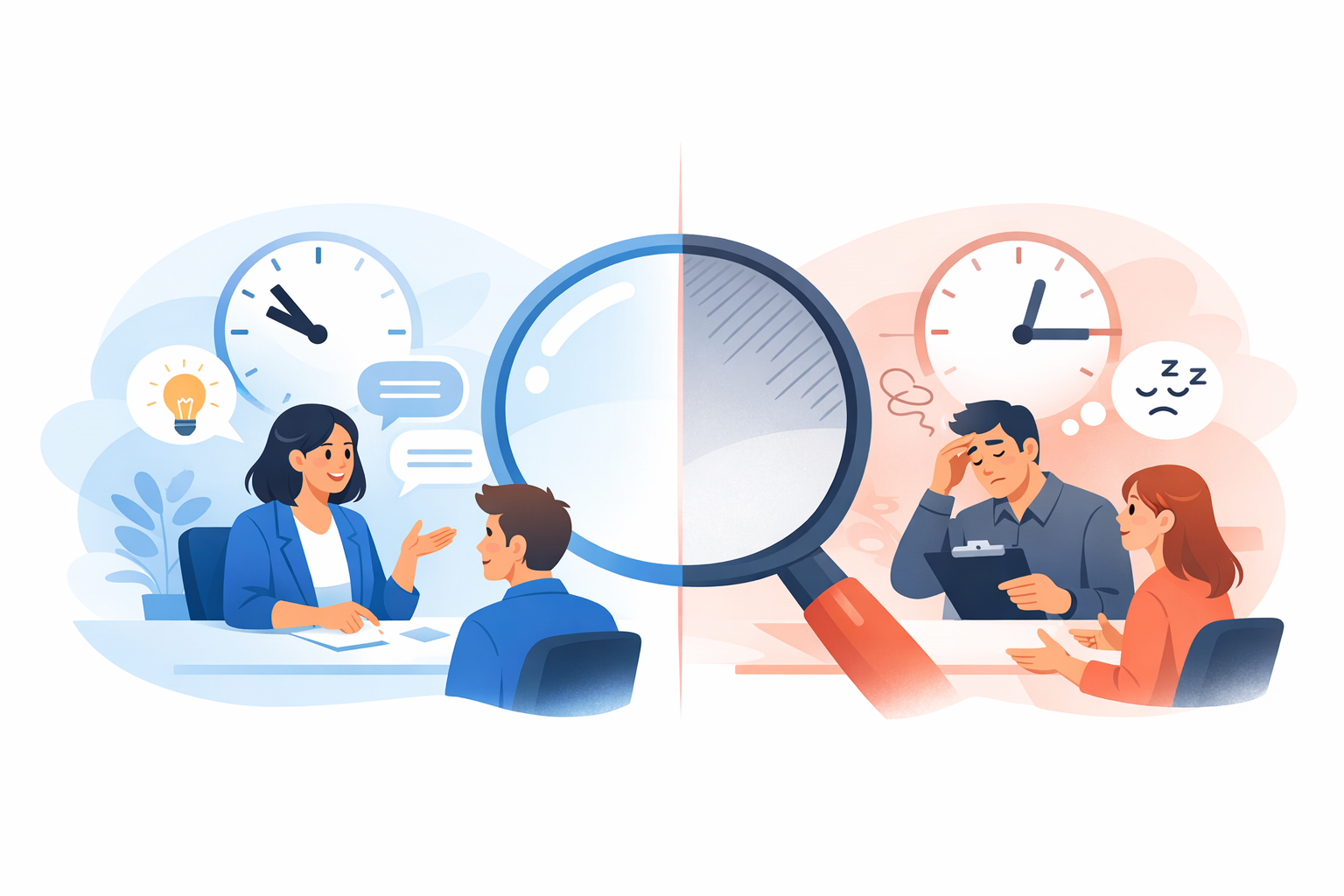
Without structure, comparision become difficult
After the interviews finish, the team sits down to decide.
But what are they comparing?
Candidate A was asked about five specific situations and evaluated on clear dimensions. Candidate B spent most of their interview discussing philosophy and approach, with only one concrete example explored.
One person says "Candidate A gave really detailed answers." Another says "Candidate B seemed more thoughtful."
Both observations might be true. But they're not comparable because the candidates weren't evaluated on the same basis.
The discussion becomes about impressions, not evidence.
And impressions are heavily influenced by recency, likability, and how closely someone matches the interviewer's mental model of "good candidate."
Structure ensures fairness
Consistency means that every candidate gets asked the core questions that matter for the role. Every response gets evaluated against the same criteria. Every interviewer knows what they're assessing and why.
This doesn't mean reading from a script.
Interviewers still probe based on answers. They still have natural conversations. But they work from a shared foundation that ensures every candidate gets a fair evaluation.
Interview Kits create this foundation by standardizing the core questions and evaluation criteria for each role. Talent Evaluation provides the framework for consistent scoring and comparison.
The result?
Decisions based on how candidates actually performed, not on who got the energetic version of the interviewer or whose interview happened to stay on track.
Better process, better outcomes
When inconsistency determines who moves forward, you lose candidates who could excel in the role but happened to interview at the wrong time or with an interviewer who drifted off-topic.
When consistency shapes the process, you identify the people who can genuinely do the job.
Because everyone got a fair chance to demonstrate it.
Request a demo to explore how we help your team interview consistently


